info@tourlgservice.com




It is no surprise that Italy is one of the largest
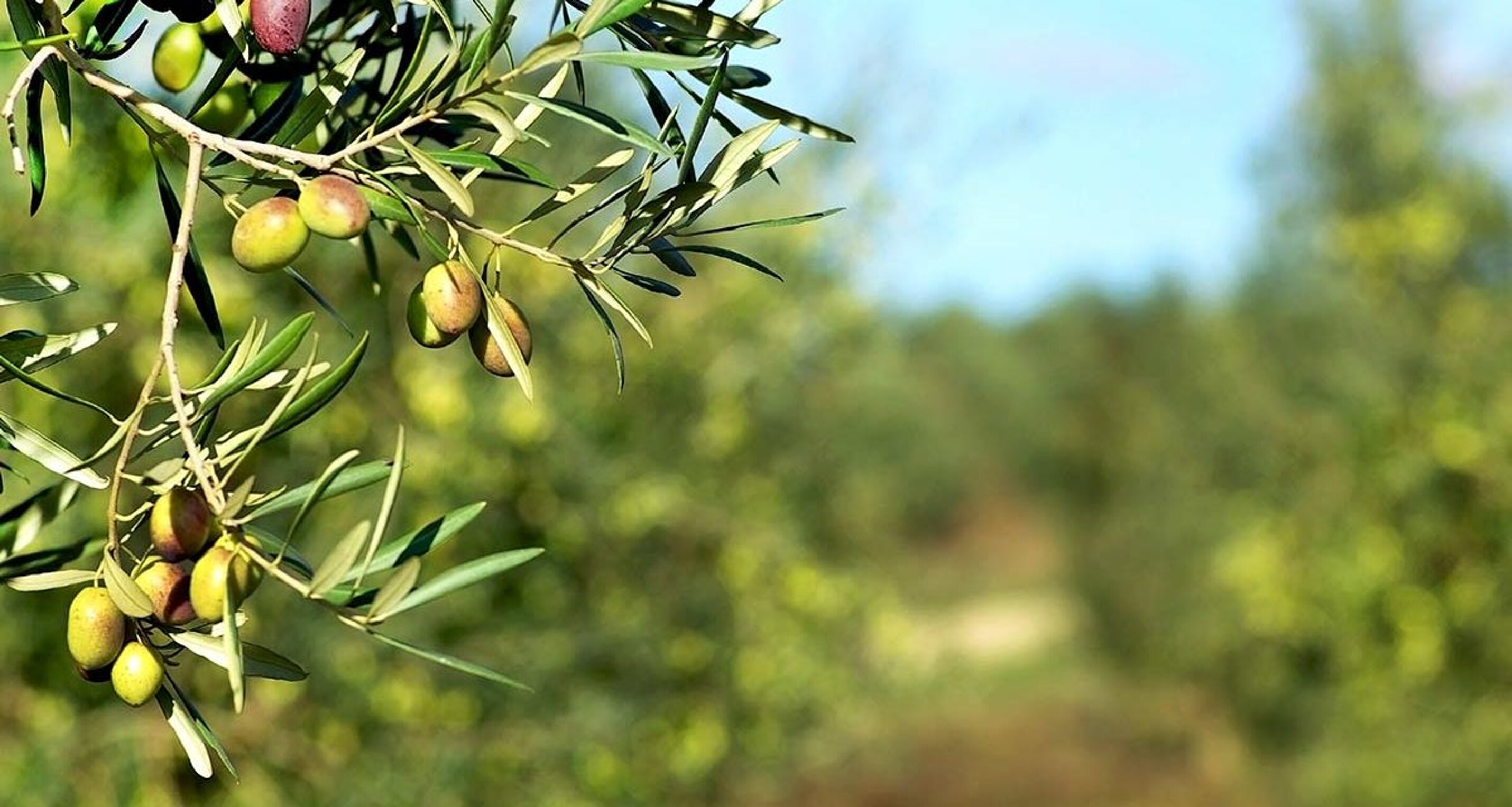
producers of olive oil in the world. The olive trees that give rise to the product are very ancient plants that have grown on the slopes surrounding the cities of Tuscany, Lazio, and Umbria.
The terrain, exposure to the sun, wind, among other factors, are what determine the flavor and quality of the olive oil. The fact that the trees are distributed on slopes and hills is another important factor.
Exposure to sun and wind influences the quality and flavor, in addition to the fact that the olives must necessarily be harvested by hand.
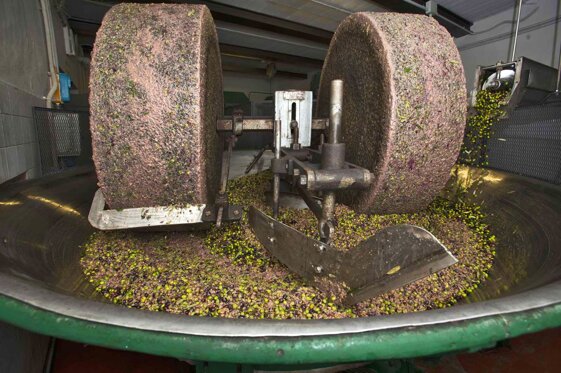
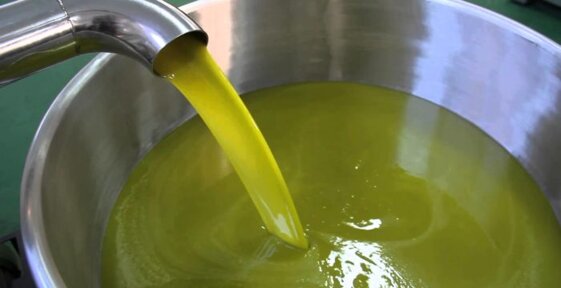
A visit to the frantoio, the place where the oil is extracted, is an extraordinary and unique experience.
In the process of extracting oil from the olives. Practically, when they are harvested, the olives must be pressed within a maximum of 12 hours to maintain their organoleptic properties.
If you go past this point, they can oxidize and the oil will not be good.
The process must protect the olives from air, light, and keep the temperature between 15 and 18 degrees. When they arrive at the frantoio, the olives are cleaned and go through centrifugation which separates the solid part, the pit, the water, and the skin.
It is interesting to know that in the process nothing is wasted; the water is used in cosmetic industry products, since olives have antioxidant properties, and the pit is transformed into ecological biomass.
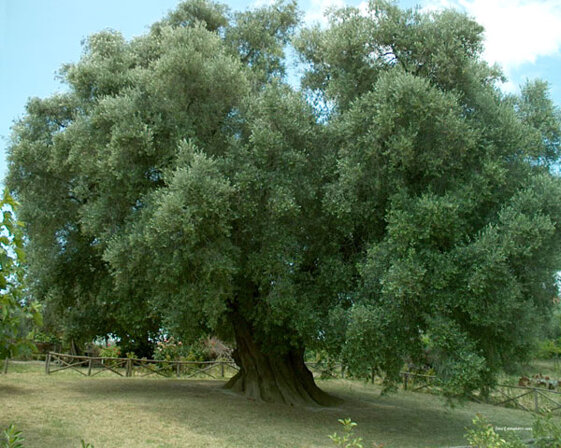
Olivone di Canneto
Maior arvore de oliveira na Europa que esta na Sabina na cidade de Canneto na regiao do Lazio
info@tourlgservice.com